Emerging Trends in Commercial Construction: Breakthroughs Reshaping the Future of Business Spaces
The landscape of commercial construction is evolving rapidly, influenced by advancements that prioritize sustainability and efficiency. Innovations such as smart building technologies and eco-friendly materials are transforming traditional practices. Modular construction reshapes project timelines, and cutting-edge management tools strengthen collaborative efforts. As these trends gain traction, they are reshaping business environments into more adaptive and productive spaces. These transformations call for deeper investigation into their lasting impact on the industry.
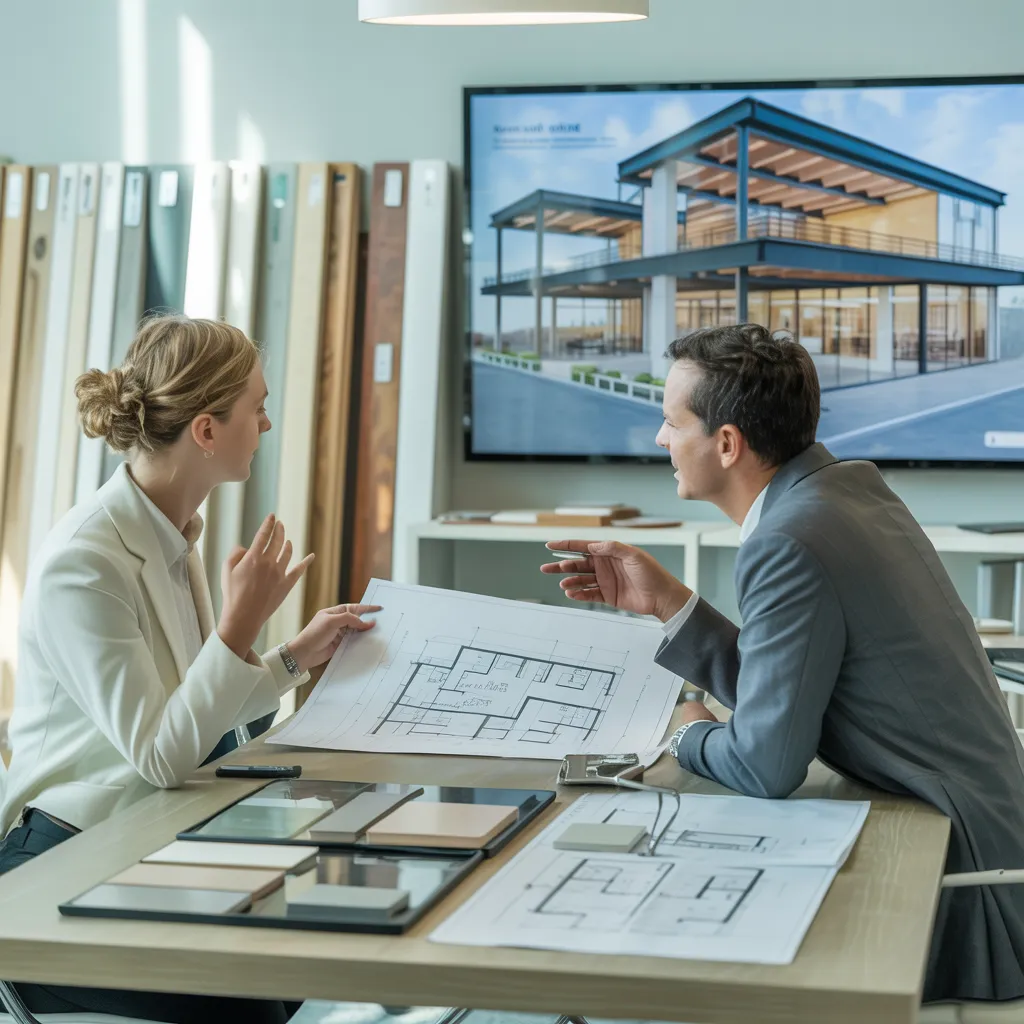
Advanced Building Technology
With the growing demand for energy efficiency and improved user experience, smart building technologies have emerged as a significant element in commercial construction. These innovative systems merge automation, data analytics, and connectivity to maximize building performance and occupant comfort. Features like smart lighting, climate control, and security systems not only reduce operational costs but also improve energy management.
In addition, the Internet of Things (IoT) fulfills an crucial role, enabling devices to communicate seamlessly, thereby enabling real-time monitoring and adjustments. Building management systems employ this data to anticipate maintenance needs and elevate safety protocols.
Adopting these technologies shows a useful guide more comprehensive shift toward more intelligent workspace designs that give priority to sustainability and user engagement. As businesses recognize the value of smart buildings, the trend is forecasted to intensify, driving innovation and creating new standards for commercial environments. Finally, smart building technologies are redefining how spaces are designed and operated in the modern age.
Sustainable and Eco-Friendly Materials
The use of environmentally friendly materials in commercial construction is quickly gaining momentum. This trend includes the incorporation of recycled building components, the utilization of renewable resources, and the implementation of energy-saving design solutions. Such practices not only reduce environmental impact but also enhance the overall sustainability of construction projects.
Reclaimed Construction Materials
A growing number of commercial construction projects are integrating recycled building components, showing a substantial shift towards sustainability and eco-friendliness in the industry. These materials, often acquired from deconstructed buildings, can include rescued wood, recycled metal, and repurposed concrete. Utilizing such components not only decreases waste but also reduces the demand for new raw materials, thereby lessening the environmental footprint of construction activities. Additionally, projects that incorporate recycled materials often experience cost savings, as these materials can be less expensive than new alternatives. As awareness of environmental issues continues to grow, the adoption of recycled building components is expected to play an vital role in shaping a greener future for commercial construction.
Green Resource Application
Incorporating sustainable and eco-friendly materials has become a key focus in commercial construction, reflecting the industry's growing commitment to environmental responsibility. Architects and builders are continuously utilizing renewable resources such as bamboo, reclaimed wood, and recycled metals. These materials not only decrease the carbon footprint but also improve the aesthetic appeal of business spaces. The use of bioplastics and natural fibers is also gaining momentum, presenting alternatives to conventional materials that may negatively impact the environment. Additionally, companies are emphasizing suppliers who comply with sustainable practices, reinforcing a circular economy approach. This shift indicates a broader trend towards creating healthier work environments while reducing waste, ultimately benefiting both occupants and the planet.
Energy-Saving Design Approaches
Even as the push for sustainability in commercial construction gains momentum, energy-efficient design solutions are becoming integral to projects. These solutions encompass the use of sustainable and eco-friendly materials that minimize environmental impact. Innovations such as high-performance insulation, energy-efficient windows, and renewable building materials are gaining acceptance. Moreover, the integration of smart technologies optimizes energy management, optimizing resource consumption. Architects and developers are more and more prioritizing designs that encourage natural light and ventilation, minimizing reliance on artificial lighting and HVAC systems. This approach not only reduces energy costs but also boosts occupant well-being. By implementing energy-efficient design solutions, the commercial construction industry is not only meeting regulatory requirements but also contributing to a more sustainable future, thereby attracting environmentally-conscious businesses and clients.
Modular and Prefabricated Construction
Prefabricated and modular construction is becoming increasingly popular in the commercial sector due to its ability to significantly expedite project timelines. This innovative approach not only shortens construction duration but also delivers cost efficiency advantages by decreasing labor and material waste. As businesses seek to optimize their building processes, the attraction of modular solutions continues to expand.
Building Speed
The emergence of modular and prefabricated construction techniques has reshaped the landscape of commercial building projects, substantially enhancing the speed of construction. By permitting components to be fabricated off-site, these methods reduce on-site assembly time substantially. This streamlined method allows contractors to complete projects faster, reducing delays associated with traditional construction processes. Moreover, modular construction often functions on a parallel timeline, with site preparation happening simultaneously with module manufacturing, further hastening completion. The efficiency of this technique not only reduces project durations but also allows for quicker occupancy, serving businesses anxious to establish their presence. As a result, the adoption of modular and prefabricated approaches is transforming timelines in commercial construction, emphasizing speed without sacrificing quality.
Economic Efficiency Advantages
As enterprises work to stretch their capital, the cost efficiency of modular and prefabricated construction methods stands out as a notable advantage. These innovative approaches considerably reduce labor costs and construction time, allowing for quicker project completion. By assembling components in a controlled environment, manufacturers reduce material waste and guarantee higher quality control, which means fewer on-site errors and delays. In addition, the ability to standardize designs can enable bulk purchasing of materials, further lowering costs. Moreover, the flexibility of modular designs enables businesses to adapt spaces as needed without incurring considerable expenses. All things considered, the financial benefits of modular and prefabricated construction make it an compelling option for companies seeking to enhance profitability while maintaining up-to-date, functional workspaces.
Cutting-Edge Project Oversight Software
While traditional project management tools have met basic needs, advanced project management software is transforming the commercial construction industry. These advanced platforms offer real-time collaboration, empowering project teams to share information in real-time, improving communication and decision-making. By combining features such as scheduling, budgeting, and resource allocation, this software simplifies processes, decreases delays, and reduces cost overruns.
Moreover, advanced project management software utilizes data analytics, permitting managers to track performance metrics successfully and identify potential issues before they escalate. Cloud-based solutions moreover improve accessibility, allowing stakeholders to monitor project developments from any location. Automation of routine tasks not only increases efficiency but also frees up human resources for more strategic activities.
With the growing complexity of the commercial construction landscape, utilizing advanced project management software allows firms to maintain competitiveness, tackle obstacles flexibly, and deliver projects that meet modern market expectations.
Biophilic Design and Wellness Integration
Incorporating biophilic design into commercial construction enhances not only aesthetic appeal but also promotes the health of occupants. This design methodology focuses on the connection between humans and nature, integrating natural elements such as plants, light, and water features into the built environment. By integrating these elements, businesses cultivate a more positive workplace, boosting employee contentment and productivity.
Studies show that exposure to nature can reduce stress and improve mental clarity, making biophilic design an important consideration in modern commercial spaces. Features such as green walls, natural ventilation, and abundant daylight foster a more inviting atmosphere, promoting collaboration and creativity among employees. Moreover, the incorporation of wellness amenities, such as fitness areas and relaxation zones, aligns with a growing recognition of the importance of mental and physical health in the workplace. Overall, biophilic design and wellness integration are transforming commercial construction, creating spaces that support both productivity and well-being.
Renewable Energy Solutions and Energy Efficiency
Renewable energy solutions and energy efficiency are emerging as essential elements of commercial construction, driven by both sustainability priorities and financial incentives. Developers and businesses increasingly prioritize sustainable practices, recognizing that energy-efficient buildings decrease running costs and strengthen long-term viability. Modern technologies like high-performance insulation systems, efficient heating and cooling equipment, and intelligent building controls contribute to reducing energy consumption.
Additionally, the integration of green energy resources, like solar panels and wind turbines, enables commercial properties to create their own energy, thus reducing dependency on fossil fuels. This shift not only facilitates regulatory compliance but also engages environmentally conscious consumers.
As enterprises seek to reach sustainability goals, energy efficiency and renewable energy solutions are essential for creating adaptable and resilient business spaces. Hence, industry stakeholders must integrate these innovations to remain competitive in an evolving market landscape, guaranteeing a positive impact on both the environment and the economy.
Remote Collaboration Tools: A Rising Trend
As companies adjust to a more flexible work environment, the rise of remote collaboration tools has transformed the landscape of commercial construction. These digital platforms allow for seamless communication among architects, contractors, and clients, regardless of their physical location. Advanced video conferencing, project management software, and real-time design collaboration have streamlined workflows, reducing delays commonly associated with traditional methods.
Moreover, remote collaboration tools foster greater transparency and accountability. Stakeholders can track project progress and deliver feedback in real-time, ensuring alignment on goals and expectations. This shift not only boosts efficiency but also encourages innovation, as teams can share ideas and solutions more freely.
Additionally, the integration of augmented reality in these tools permits stakeholders to visualize changes and assess designs in real-time. As remote collaboration advances, it will play a crucial role in shaping the future of commercial construction, fostering a more connected and responsive industry.
FAQ
How Does Commercial Construction Trend Activity Affect Property Values?
Shifts in business construction considerably impact property values by enhancing aesthetics, increasing energy efficiency, and incorporating modern technologies. These components raise demand, attract higher-quality tenants, and ultimately result in rising property market valuations.
What Are the Average Costs Involved in Implementing These Innovations?
Common expenses associated with adopting innovations in commercial construction include costs for cutting-edge materials, technology integration, labor, and project management. These factors together shape budgeting and financial planning for contractors and investors in the industry.
How Can Companies Choose the Best Construction Partner?
Businesses should evaluate potential construction partners based on track record, reputation, completed projects, and communication capabilities. In addition, reviewing economic stability and testimonials from clients can help establish a trustworthy and proficient partnership for effective project completion.
What Are the Regulatory Barriers to Adopting New Construction Technologies?
Regulatory obstacles in the adoption of innovative construction technologies encompass maneuvering through complex zoning laws, acquiring essential permits, adhering to safety standards, and ensuring compliance with environmental regulations, all of which can slow down adoption and escalate expenditures for businesses.
In What Ways Do These Trends Affect Employee Productivity in Workspaces?
Such trends elevate employee productivity by forming flexible, technology-driven environments that facilitate collaboration, well-being, and efficiency. Better design elements, for example natural light and ergonomic spaces, benefit worker morale and overall performance.